Trophies
MENS VARSITY EIGHT: WILLIAM J. KNECHT MEMORIAL TROPHY
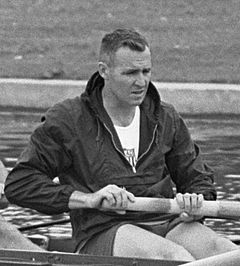
William Joseph “Bill” Knecht (March 10, 1930 – December 17, 1992) was an American competition rower. He took up the sport at La Salle High School , and later went to Villanova University, graduating in 1951. In 1946 he joined the Vesper Boat Club and won multiple national titles with them. Internationally he earned gold medals in the eights at the 1955 Pan American Games and 1964 Olympics, and in double sculls at the 1959 and 1963 Pan American Games.[3] He also took part in the double sculls event at the 1960 Olympics, paired with John B. Kelly Jr.
Bill’s total involvement in rowing never ceased. Bill became a member of the U.S. Olympic Rowing Team Committee and a judge at the 1992 Summer Olympics. He’s a member of the American Rowing Hall of Fame and a founder of the Cooper River (NJ) Rowing Association. He was President of the National Association of Amateur Oarsmen, he was the American delegate to FISA, the world rowing governing body, he was one of the founders of the National Rowing Foundation, and the creator of the rowing course on the Cooper River, in Camden County NJ.
MEN’S SINGLE – EVENT 29 : THE JOHN B. KELLY, SR. TROPHY
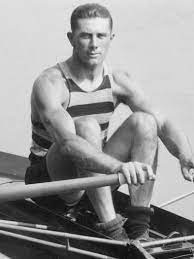
John B. Kelly Sr. (1889-1960) was a prominent American athlete and businessman, best known for his achievements in rowing and as the father of actress Grace Kelly. Born in Philadelphia, Kelly excelled as a rower, becoming a three-time Olympic medalist, securing gold in the single sculls at the 1920 Antwerp Olympic Games and a silver medal in 1924 at the Paris Olympics.
Beyond his athletic prowess, Kelly was a successful businessman who made significant contributions to the construction industry in Pennsylvania. He was also heavily involved in community service and local politics, advocating for various civic causes.
His rowing legacy continued through his son, John B. Kelly, Jr. not only followed in the footsteps of his father by achieving significant success in rowing, but he also played a crucial role in developing Olympic talent and promoting the sport. He helped establish Philadelphia as a key location for competitive rowing.
MENS DOUBLE – EVENT 32: THE JOHN B. KELLY AND WILLIAM J. KNECHT TROPHY
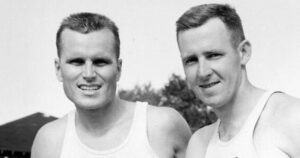
This trophy honors two remarkable figures in the rowing world: John B. Kelly, Jr. and William J. Knecht. John B. Kelly, Jr.
John B. Kelly, Jr. (Jack) and William J. Knecht “Bill “, in addition to being close associates in the rowing community, more importantly, they were also very close personal friends, like brothers. They both contributed significantly to the sport and its athletes on an international Olympic level.
The Mens Double Event celebrates the legacy of Kelly and Knecht, emphasizing their dedication to rowing and their contributions to fostering talent within the sport, on and off the water.
This trophy commemorates the enduring influence of these two families in rowing, representing excellence, leadership, and community engagement.
MEN’S VARSITY PAIR – EVENT 2: AMLONG TROPHY
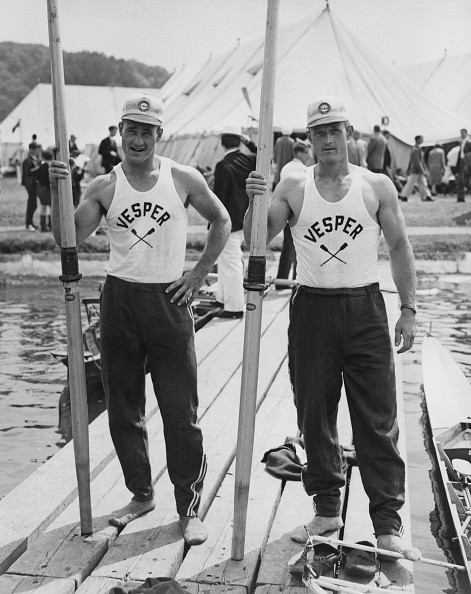
Thomas Kennedy “Tom” Amlong (June 15, 1935 – January 26, 2009) and Joseph Brian “Joe” Amlong (December 17, 1936 – July 1, 2019) were prominent American rowers known for their exceptional performances in the early 1960s.
Born at Fort Knox, Kentucky, and Haines, Alaska -Tom and Joe Amlong spent their early years in various locations throughout the US due to their father’s military career. Their introduction to rowing came in 1951 in Liege, Belgium, where the family had moved after the war, and their father had taken on the role of post commander. The two boys immediately fell in love with the sport and continued to row throughout the 1950s and early 1960s.
The Amlong brothers joined the Vesper Boat Club in Philadelphia in 1961 because they said it was the only club “putting out fast boats.” In 1964, Joe and Tom achieved national recognition by winning the U.S. National Title in the Coxless Pairs and secured an Olympic gold medal as part of the men’s eight at the 1964 Tokyo Olympics. The Vesper 8’s victory was notable, especially considering the dominance of collegiate crews in previous Olympic events.
Both brothers had distinguished military careers, including a Tour of Duty in Vietnam. Tom served in the US Army, and Joe served in the Air Force, both rising to the rank of captain after 20 years.
After retiring from elite rowing, Tom Amlong continued his involvement in the sport by coaching for the renowned Blood Street Sculls in Old Lyme, CT. He passed away in 2009. Joe Amlong resided in Vero Beach, Florida, until his death in 2019. Both were lifelong members of the US Rowing Association and Vesper Boat Club.
The Amlong brothers’ legacy in rowing is celebrated for their remarkable achievements and contributions to the sport.
MEN’S FROSH EIGHT EVENT: STANLEY CWIKLINSKI TROPHY
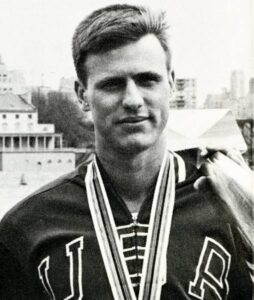
Stanley Francis “Stan” Cwiklinski, born on July 25, 1943, in New Orleans, Louisiana, is a distinguished American rower and naval officer. He began his rowing career at LaSalle College, where he majored in zoology and competed with both the freshman and varsity crews. In 1963, he joined the Vesper Boat Club in Philadelphia.
At the 1964 Tokyo Summer Olympics, Cwiklinski was the youngest member of the U.S. men’s eight rowing team that secured the gold medal.
Following his Olympic success, Cwiklinski served a 23-year career in the United States Navy, including a year in Vietnam as the skipper of a patrol boat engaged in combat operations. He specialized in marine salvage and played a pivotal role during the Exxon Valdez oil spill in the late 1980s.
In addition to his military and athletic achievements, Cwiklinski has contributed to environmental efforts as a global expert in oil spill pollution abatement and control. He has also shared his experiences and insights through his autobiography, detailing his journey from competitive rowing to naval service and environmental advocacy.
Cwiklinski’s life reflects a blend of athletic excellence, dedicated military service, and commitment to environmental stewardship.
MEN’S CLUB 8 EVENT: EMORY CLARK TROPHY
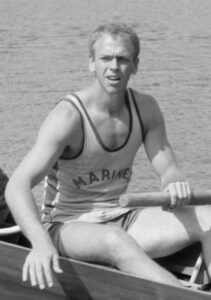
Emory Clark rowed in the five seat behind Bill Knecht in the 1964 U.S. Olympic gold medal team. He began rowing in high school at Groton School and went on to be captain of the varsity crew his senior year at Yale University.
Well into his law practice and while raising his family in Metamora, Michigan, Clark raced in a coxed four with the Compote Rowing Association in masters’ regattas around the world for over twenty years. In 2014, Clark published Olympic Odyssey, a book about his rowing experience. He lives with his wife, Christina, in Columbia, South Carolina.
WOMENS SINGLE: ANA TAMAS KNECHT MEMORIAL TROPHY
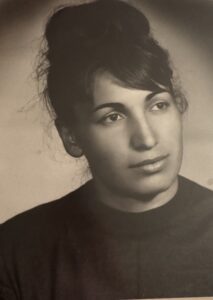
The Ana Tamas Knecht Trophy honors Ana Tamas Knecht, an avid rower and wife of Bill Knecht, Olympic rower (1964). Ana came from Romania in 1968, longing to lavish her training talents as a professional rowing coach in the United States. Her credentials to do so were staggering: 14 world championships in women’s rowing and a Romanian government license to coach the sport. And that’s not all. She was the first Romanian woman ever elected “An Honored Master of Sport”, which is about the best thing that can happen to an athlete in Eastern Europe. She was reputed to be one of the toughest rowing coaches on the Schuylkill at a time when heads of schools and athletic directors could not see a woman in charge of young men involved in one of the most demanding of endurance sports.
WOMENS VARSITY EIGHT: ANN HARRIS SMITH MEMORIAL TROPHY
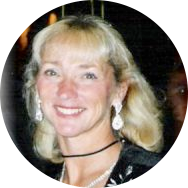
Donated by the Smith Family whose daughter was former Villanova rower and Captain. Ann was a strong supporter of Villanova rowing. Ann unfortunately succumbed to ovarian cancer in July 2002. Her unwavering commitment to help others lives on through the Ann Harris Smith Foundation dedicated to raising Ovarian Cancer Awareness.
WOMENS VARSITY LIGHTWEIGHT EIGHT: DANIELLE KOUSOULIS MEMORIAL TROPHY
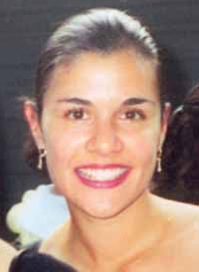
Former rower and Captain at Villanova in the early 90s. Danielle Kousoulis was grew up in Haddon Township, NJ. She was a member of St. Thomas Greek Orthodox Church in Cherry Hill. The community center is named in honor of Danielle. A photograph of Danielle greets visitors and stands as a reminder at the entrance with an American flag. After graduating from Villanova University, Danielle accepted a position at Cantor-Fitzgerald as a bond broker. Always striving to improve herself, she pursued an MBA at NYU’s prestigious Stern School of Business with the help of Cantor’s tuition assistance program. She earned her MBA in May 2000. In addition, she fulfilled another dream by running and completing the New York City Marathon in 1999. She eventually achieved the position of Vice-President at Cantor-Fitzgerald. Danielle tragically lost her life in 9/11 and this award was donated by her graduating class at Villanova.